
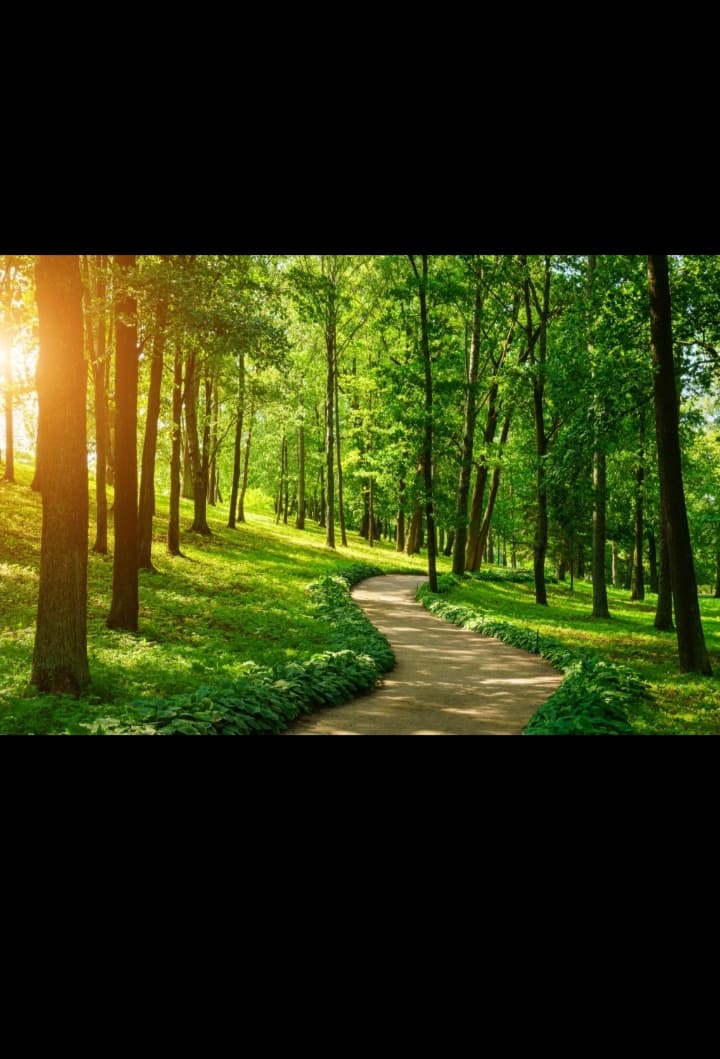
Nature and Greenery: Why Green Spaces Are Essential for a Healthier Life
Nature has a remarkable way of making life feel calmer, fresher, and more beautiful. From the peaceful shade of tall trees to the colourful beauty of gardens and the refreshing sight of green landscapes, the natural world offers something that modern life often lacks: a connection to the environment around us.
As cities grow and buildings occupy more land, green spaces are becoming increasingly important. Whether it is a small garden at home, a park in the middle of a busy city, or a forest filled with towering trees, greenery plays a valuable role in supporting human well-being and protecting the planet.
At Instacool, we explore the beauty of nature and why preserving it matters to everyone.
1. The Beauty of Greenery
Greenery gives life to our surroundings. Trees, grasses, flowers, shrubs, and other plants transform ordinary spaces into attractive and welcoming environments.
A simple garden can make a home feel more peaceful, while rows of trees can turn a busy street into a more pleasant place to walk. Natural landscapes also provide opportunities for photography, relaxation, outdoor recreation, and appreciating the beauty of the world.
Beyond appearance, plants form an essential part of the ecosystems that sustain life on Earth.
2. How Nature Supports Our Well-Being
Spending time in natural environments can help people feel more relaxed and connected to their surroundings. Walking through a park, sitting beneath a tree, or tending a garden can provide a welcome break from daily responsibilities.
Green spaces also create opportunities for physical activities such as walking, jogging, cycling, and gardening. These activities can contribute to a healthier lifestyle.
For children, outdoor environments offer opportunities to explore, play, observe plants and animals, and develop an appreciation for the natural world.
Although nature is not a substitute for professional healthcare, regular access to pleasant green spaces can support overall well-being.
3. Trees Help Keep the Environment Healthy
Trees provide benefits that extend far beyond their appearance. They absorb carbon dioxide as they grow, store carbon, provide shade, and help regulate local temperatures.
In urban areas, tree canopies can reduce exposure to direct sunlight and help make streets and public spaces more comfortable. Trees and other vegetation can also intercept rainfall, support soil stability, and contribute to better stormwater management.
However, trees need adequate space, healthy soil, and proper care to thrive. Protecting existing mature trees and planting suitable species are both important parts of responsible environmental management.
4. Green Spaces Provide Homes for Wildlife
Gardens, parks, wetlands, forests, and other green environments provide habitats for many living organisms.
Birds use trees for shelter and nesting. Bees and butterflies visit flowers for nectar and pollen. Small animals depend on plants and natural ground cover for food and protection.
Even a small garden can support local biodiversity when it includes suitable plants, water sources, and shelter.
Planting native species, reducing unnecessary pesticide use, and allowing some areas to remain natural can help create healthier habitats for wildlife.
5. Why Greenery Matters in Nigerian Cities
In rapidly developing Nigerian cities such as Lagos, green spaces can make an important contribution to urban life.
Trees along roads, public gardens, school compounds, parks, and landscaped residential areas can provide shade and improve the appearance of neighbourhoods. Vegetation can also help manage rainfall and reduce soil erosion when properly planned.
However, greenery should not be treated merely as decoration. Urban development needs to account for the preservation of existing trees, the protection of natural habitats, and the creation of accessible public spaces.
Communities, schools, businesses, and local authorities all have a role to play in keeping urban environments healthy and attractive.
6. Simple Ways to Make Your Environment Greener
You do not need a large garden or expensive equipment to contribute to a greener environment.
Here are six practical steps anyone can take:
Plant a tree: Choose a suitable species for your location and make sure it has enough room to grow.
Grow plants at home: Use pots, containers, balconies, or small garden spaces to grow flowers, herbs, or other suitable plants.
Care for existing trees: Protect mature trees and avoid damaging their roots, bark, or surrounding soil.
Reduce litter: Dispose of waste properly and participate in community clean-up activities.
Save water: Water plants when necessary and consider collecting rainwater where it is safe and practical.
Protect local wildlife: Grow suitable flowering plants, avoid unnecessary pesticide use, and preserve natural habitats whenever possible.
Small actions may seem insignificant on their own, but consistent efforts across households and communities can make a meaningful difference.
7. Protecting Nature for Future Generations
Nature faces numerous pressures, including deforestation, pollution, habitat destruction, and climate change. Addressing these challenges requires more than planting a few trees. It also involves protecting forests, restoring damaged ecosystems, reducing waste, and making responsible decisions about how land and natural resources are used.
Environmental education is equally important. When children learn why trees, clean water, healthy soil, and wildlife matter, they are better equipped to make responsible choices as they grow.
Preserving nature is not simply about keeping the environment beautiful today. It is about protecting the natural systems that future generations will depend on.
Final Thoughts
Greenery is more than a beautiful addition to our surroundings. It supports wildlife, provides shade, contributes to healthier urban environments, and gives people opportunities to reconnect with nature.
From planting a tree to protecting a nearby park, everyone can contribute to a greener future.
The next time you walk past a garden, sit beneath a tree, or admire a beautiful landscape, take a moment to appreciate what nature provides.
A greener environment begins with the choices we make today.
What is your favourite way to enjoy nature: relaxing in a garden, walking through a forest, visiting a park, or exploring beautiful landscapes? Share your thoughts and join the conversation with Instacool.
0 Comments