
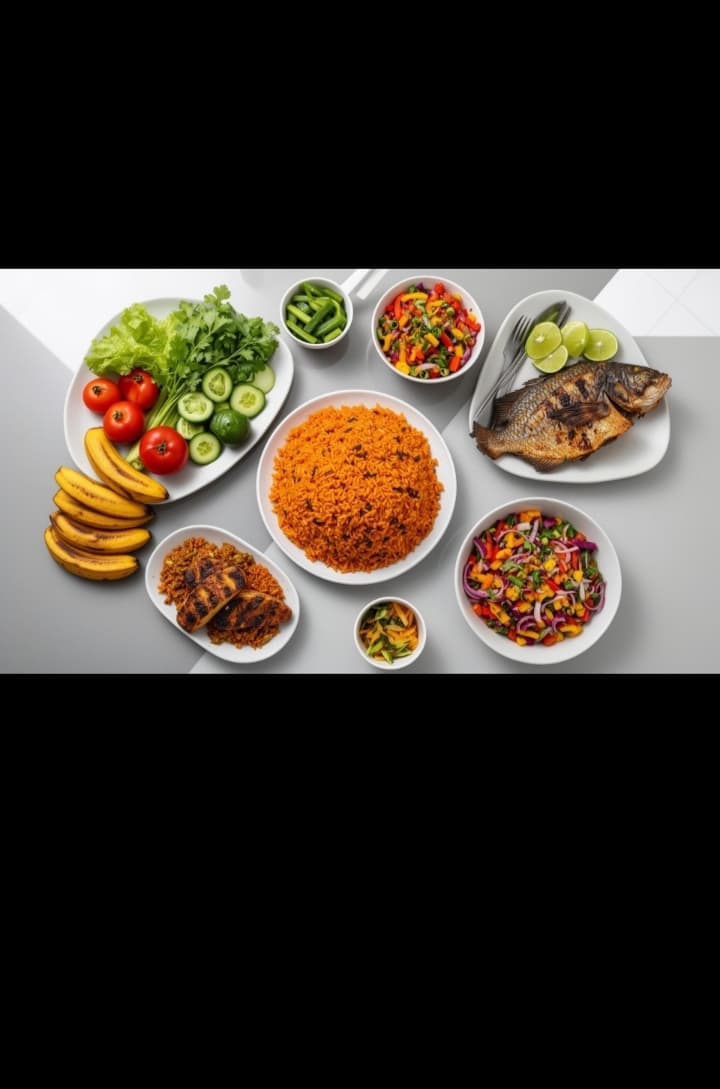
Eating healthy does not have to be expensive. With the right food choices, you can prepare nutritious, satisfying meals using familiar Nigerian ingredients without putting unnecessary pressure on your pocket.
From beans and eggs to rice, sweet potatoes, ugu, okra and seasonal fruits, many everyday foods can contribute to a healthy diet. The key is learning how to combine them, control portions where appropriate and make the most of the ingredients available to you.
What Is a Balanced Meal?
A balanced meal provides a suitable combination of carbohydrates, protein, healthy fats, vitamins, minerals and fibre.
Carbohydrates provide energy, protein supports growth and tissue repair, fats help the body function properly, and vitamins and minerals support several essential processes.
According to the World Health Organization, a healthy diet should be adequate, balanced, moderate and diverse. This means eating enough nutritious food, combining different food groups, limiting excessive amounts of less healthy ingredients and varying your choices.
1. Make Beans One of Your Regular Foods
Beans are among the most useful foods for people trying to eat well on a budget.
They provide plant-based protein, dietary fibre and other important nutrients. Their fibre and protein content can also help meals feel more satisfying.
You can enjoy beans as:
Plain cooked beans with a modest amount of palm or vegetable oil.
Beans porridge with tomatoes, onions and vegetables.
Moi moi prepared with beans, peppers and onions.
Beans served with boiled plantain or a moderate portion of rice.
You do not need to eat beans every day, but including them regularly is one practical way to increase the variety of protein sources in your diet.
2. Combine Staple Foods With Protein
Rice, yam, garri, amala, eba, potatoes and plantain provide energy. They can all form part of a healthy diet.
However, meals made up mainly of starch may not provide enough variety on their own. Where possible, combine them with protein sources such as beans, eggs, fish, chicken or other suitable foods.
For example:
Rice with beans and vegetables.
Boiled yam with egg and tomato sauce.
Eba with okra soup containing fish.
Boiled plantain with beans.
Sweet potatoes with eggs and vegetables.
The goal is not to eliminate carbohydrates. It is to create meals that provide a broader range of nutrients.
3. Add Vegetables to Your Meals
Vegetables provide fibre, vitamins and minerals. Different vegetables supply different nutrients, so variety matters.
Affordable Nigerian options may include ugu, ewedu, okra, cabbage, carrots, tomatoes, waterleaf and other locally available vegetables.
Try adding vegetables to your stew, beans porridge, soups, rice dishes or egg sauce.
Where possible, include vegetables in your main meals rather than treating them as an occasional addition. Fresh, frozen or appropriately preserved vegetables can all be useful options.
4. Choose Seasonal Fruits
Fruits can contribute vitamins, minerals, water and fibre to your diet.
Depending on the season and local prices, you might choose oranges, pawpaw, watermelon, bananas, pineapple or mangoes.
Buying fruit when it is in season may help you find more affordable options. Whole fruit is generally preferable to juice because it retains its fibre and is often more filling.
You do not need to buy every type of fruit. Choose what is available, affordable and suitable for your needs.
5. Plan Your Meals Before Shopping
Unplanned shopping can make it harder to manage your food budget.
Before visiting the market, check what you already have at home and plan several meals around those ingredients.
For example, a bag of beans can be used for beans porridge and moi moi. Tomatoes, onions and peppers can support several different dishes. Rice can be paired with beans one day and fish with vegetables another day.
A simple shopping list might include:
Rice, beans, yam or another staple.
Eggs, fish or another affordable protein source.
Ugu, okra, tomatoes and onions.
Seasonal fruits.
Groundnuts or other suitable snacks.
Drinking water and other household essentials.
Choose quantities based on your household size, available storage, prices and nutritional needs.
6. Be Mindful of Oil, Salt and Seasoning
Healthy eating is not only about what you eat. How you prepare food also matters.
Excessive salt intake can contribute to high blood pressure. Too much added sugar can increase the risk of tooth decay and contribute to unhealthy weight gain. Frequent consumption of foods high in unhealthy fats can also affect long-term health.
You can make practical changes by:
Measuring cooking oil rather than pouring it freely.
Using less salt and seasoning cubes.
Flavouring meals with onions, garlic, ginger, peppers and appropriate herbs or spices.
Limiting frequent consumption of sugary drinks.
Boiling, steaming, baking or grilling some foods instead of always frying them.
Palm oil and traditional Nigerian dishes do not automatically make a meal unhealthy. The overall ingredients, quantities, preparation method and frequency of consumption matter.
7. Do Not Forget Food Safety
Nutritious food must also be safe to eat.
Wash your hands before preparing meals, use safe water, wash produce appropriately and keep raw foods separate from cooked foods. Cook foods thoroughly, particularly meat, fish and eggs.
Refrigerate perishable leftovers promptly and reheat them thoroughly. If you do not have reliable refrigeration, prepare smaller quantities and avoid keeping cooked food at room temperature for extended periods.
Good food hygiene helps reduce the risk of foodborne illness.
A Simple One-Day Nigerian Meal Example
Breakfast: Oats or pap with a suitable protein source, such as a boiled egg.
Lunch: Rice and beans with vegetables and fish.
Snack: A banana, orange or another seasonal fruit.
Dinner: Eba with okra soup containing fish or beans, adjusted to your appetite and nutritional needs.
This is an example, not a fixed prescription. Your portions and food choices should reflect your age, activity level, health conditions, preferences and budget.
Final Thoughts
Healthy eating does not require imported food, expensive supplements or a completely new menu.
Start with the foods you already know. Include a variety of staples, beans and other protein sources, vegetables and fruits. Use salt, oil and added sugar thoughtfully, plan your shopping and handle food safely.
Small, consistent improvements can make your everyday meals more nutritious without requiring you to abandon Nigerian cuisine.
Remember: eating healthier is about improving your overall eating pattern, not finding one perfect food.
Health note: This article provides general nutrition information, not individual medical advice. People with conditions such as kidney disease, diabetes or hypertension may need tailored dietary guidance from a qualified health professional.




0 Comments