
A Nigerian businessman is being investigated over allegations that more than $120 million intended for mineral exploration and power projects was diverted, in a case that raises serious questions about investment protection and financial accountability.
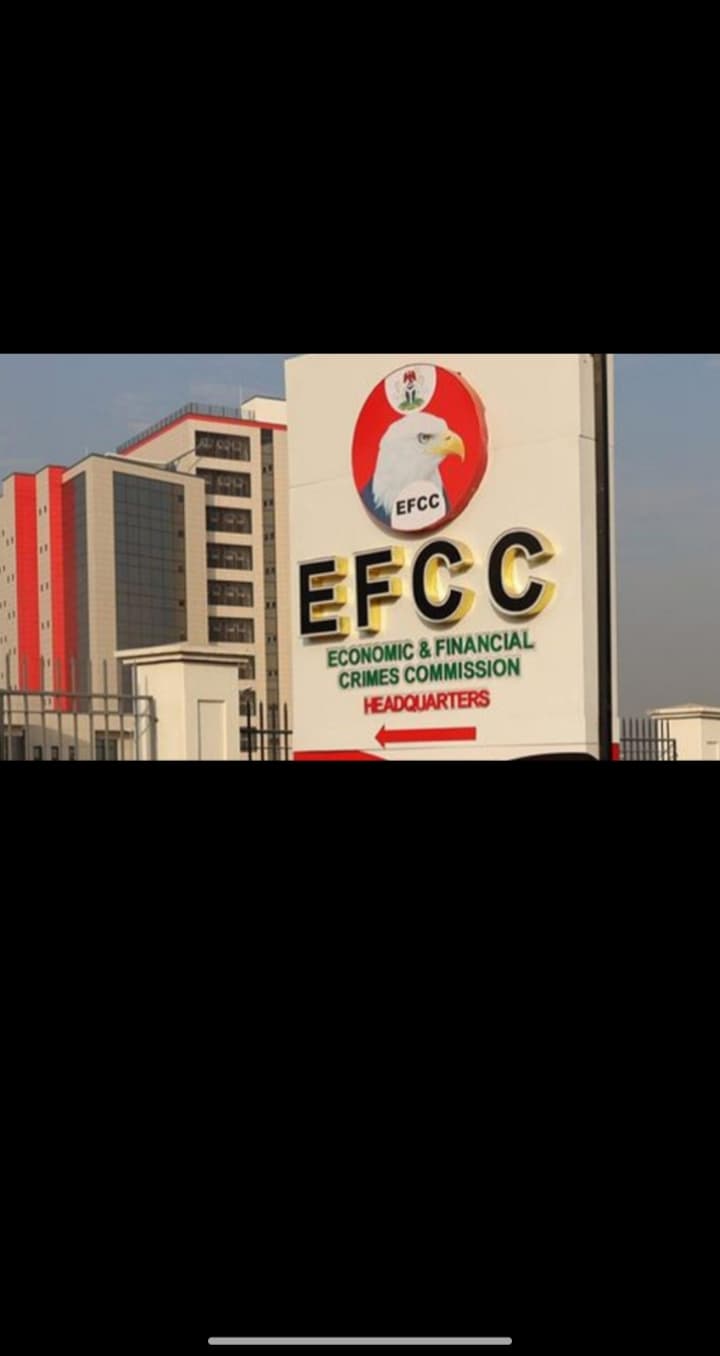
The Economic and Financial Crimes Commission (EFCC) has arrested Abuja-based businessman Innocent Ozoemena Ezuma, 57, over allegations of defrauding a Ukrainian investor of more than $120 million.
According to reports published on October 20 and 21, 2026, Ezuma was arrested at his residence in Abuja on October 19 and remained in EFCC custody as of the latest reports. The commission confirmed the arrest and said investigations were ongoing.
The allegations include advance-fee fraud, criminal breach of trust, obtaining money under false pretences, theft and money laundering. The allegations have not been established in court, and the businessman has not been reported as convicted in this case.
How the alleged $120 million scheme worked
Investigators allege that the businessman received substantial sums from the Ukrainian investor between 2007 and 2015 to finance mineral exploration and electricity projects that were allegedly never delivered.
The EFCC is also examining the movement of billions of naira through companies and individuals reportedly connected to the businessman, including members of his family.
One company under investigation reportedly received ₦1.365 billion in purported loans between February and April 2025 despite recording no revenue. Investigators are also examining a separate reported transfer of ₦953 million in July 2025, of which ₦90 million was subsequently returned.
These transactions are part of the allegations being investigated and do not, by themselves, establish that the recipients committed an offence.
The Jos Steel Rolling Mill controversy
The investigation reportedly extends to earlier business dealings involving the Jos Steel Rolling Mill in Plateau State.
According to reports citing investigative sources, Ezuma allegedly persuaded Ukrainian businessmen to finance the privatisation of the facility before taking exclusive control of it.
Investigators allege that the mill was subsequently stripped of assets, leaving hundreds of workers without their wages.
The claims concerning the mill and the treatment of its workers require further examination of the relevant ownership, financial and employment records.
What happens next?
The EFCC has confirmed the arrest, but details of any formal charges or court proceedings were not established in the reports reviewed for this article.
Investigators will need to establish the movement of the funds, the intended purpose of the investments, the parties' contractual obligations and whether the evidence supports criminal charges.
The case highlights the difficulties of investigating alleged financial crimes that involve international investors, corporate entities and transactions spanning several years.
The bigger question: Can investors trust Nigeria's business environment?
Nigeria needs foreign investment to support industrial development, mining, electricity generation and employment. Cases involving allegations of large-scale financial misconduct can raise concerns about transparency and investor protection.
At the same time, a fair investigation must distinguish between an allegation, evidence of wrongdoing and a conviction.
The central question is not simply how much money is involved, but whether investigators can establish what happened to the funds and whether the law will be applied fairly.
Instacool will follow further developments as credible information becomes available.
Sources: Channels Television, TheCable, The Punch and the Economic and Financial Crimes Commission.
This report reflects information published on October 21, 2026. All allegations remain subject to investigation and due legal process.




0 Comments